Duvet vs. Comforter: Which Bedding Is Right for You?
When it comes to creating a cozy, inviting bed, the options can feel overwhelming. Among the most common choices are duvets and comforters. At first glance, they may look similar: soft, fluffy layers meant to keep you warm, but understanding the difference between a comforter and a duvet is essential. But the truth is, they work in different ways, offer different benefits, and can change how you care for and style your bed. Picking the right one isn’t just about aesthetics, it’s about convenience, warmth, maintenance, and how your bedroom functions as a personal space.
Understanding these differences is especially important if you’ve ever woken up feeling chilly under a thin comforter or struggled to wash a bulky duvet. Bedding isn’t just decorative, it’s essential to sleep quality. By exploring what sets duvets and comforters apart, you can make a choice that fits your lifestyle, your bedroom’s style, and your personal comfort needs.
What Is a Duvet?

A duvet is a soft, fluffy insert that slips into a removable cover, much like a pillow fits inside a pillowcase. The duvet itself is usually filled with down, feathers, or a synthetic fiber alternative designed to trap heat and provide comfort. The cover protects the insert from dirt, stains, and wear, while also giving you the ability to change the bedroom’s look without buying an entirely new piece of bedding.
Why choose a duvet:
-
Customizable style: With countless duvet cover options, you can switch your bedroom’s look seasonally or whenever your taste changes. For example, lightweight cotton covers in the summer and cozy flannel or velvet covers in the winter can enhance the comfort of your sleeper.
-
Simpler cleaning: Rather than washing the heavy insert, you can remove and machine wash the cover regularly. This makes keeping bedding clean much more manageable, especially when you use a duvet with a removable cover.
-
Superior warmth and comfort: High-quality duvets, particularly down-filled ones, are excellent at trapping heat while remaining lightweight, offering a fluffy, cloud-like feel.
Considerations:
-
Insert setup: Sliding the duvet into the cover and securing it evenly can be tricky for beginners, though ties or clips in the corners help ensure the duvet insert stays in place.
-
Cost: Purchasing both the insert and cover can be more expensive than a comforter.
-
Shifting fill: Over time, the filling may move inside the cover and need fluffing to keep it evenly distributed.
Best for: People who value styling flexibility, warmth, and a bedding setup that’s easy to refresh without buying a new comforter.
What Is a Comforter?

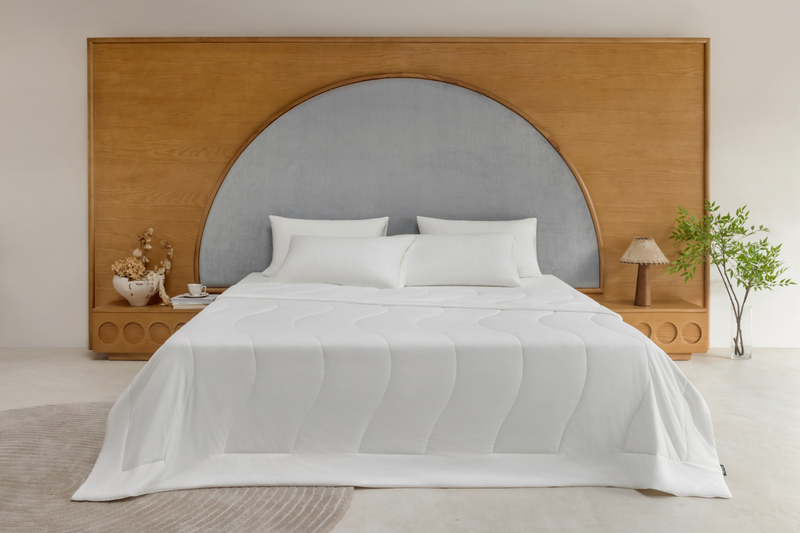
A comforter is a single-piece blanket with the filling sewn directly into the outer fabric. Unlike a duvet, it doesn’t require a cover. The best comforters are usually sold as part of a set with matching sheets and pillow shams, making it easy to create a coordinated look quickly. They come in various weights, colors, and patterns, making them a versatile option for many bedrooms.
Why choose a comforter:
-
Ready to use: Comforters are convenient. Just take them out of the packaging and place them on the bed. No covers or inserts required.
-
Pre-styled sets: Many comforters come as part of matching bedding sets, making it simple to achieve a cohesive look without additional purchases.
-
Low maintenance for occasional washing: Since comforters are one piece, you generally wash them less frequently than duvet covers, which may need regular changes.
Considerations:
-
Washing is bulky: Because it’s one piece, cleaning a comforter can be heavy and challenging, particularly for large or thick options.
-
Limited style flexibility: The color or pattern is fixed; changing the look usually means buying a new comforter.
-
Durability varies: Lower-quality comforters can flatten over time or lose warmth, depending on the filling.
Best for: People who want simplicity, minimal setup, and a decorative piece that’s ready to go.
Duvet vs. Comforter Differences
While duvets and comforters might look similar at first glance, they differ in several key ways that affect style, comfort, maintenance, and cost.
1. Structure and Design
A duvet is made up of two parts: the fluffy insert and a removable cover. The cover is what you see on the bed and can be changed to match your décor, while the duvet insert provides the warmth and softness needed for comfort.
In contrast, a comforter is a single piece, with the filling sewn directly into the outer fabric, while a duvet requires you to fill evenly. This means the pattern or color of a comforter is permanent, whereas a duvet can be refreshed by swapping covers.
2. Style Flexibility
Duvets offer much more flexibility. You can switch covers to suit the season, your mood, or a room redesign, making it easy to keep the fill looking fresh and new. Comforters are less flexible, you’re stuck with the look you purchase unless you use a separate cover over them.
3. Warmth and Comfort
High-quality duvets, especially down-filled ones, often feel fluffier and warmer than comforters of comparable size, highlighting the comforter vs duvet debate. Comforters vary widely in warmth depending on their fill and thickness, and lower-quality options can flatten over time.
4. Maintenance and Cleaning
Duvets are easier to keep clean because you only need to wash the cover regularly. The insert doesn’t require frequent cleaning, making maintenance simpler. Comforters, being one solid piece, usually require washing as a whole, which can be bulky and challenging, especially for larger sizes, unlike a quilt that can be more manageable.
5. Setup and Use
Duvets require some assembly, sliding the insert into the cover and securing it evenly. Comforters, on the other hand, are ready to use straight out of the package, which is ideal for people who prefer minimal effort in making the bed compared to using a duvet.
6. Cost Considerations
Duvets often have a higher upfront cost because you need both the insert and the cover. Comforters tend to be less expensive initially, and many come as part of complete bedding sets, though replacing them for style changes can cost more in the long run, highlighting the difference between a duvet and a comforter.
Should You Get a Duvet or Comforter?
1. Style Flexibility
-
Duvet: With a removable cover, duvets let you change the look of your bed easily. You can swap covers for different seasons, holidays, or just to refresh your bedroom décor.
-
Comforter: Comforters come with a fixed pattern or color, so your options are limited. To change the style, you’d need a new comforter or a separate cover.
2. Warmth and Comfort
-
Duvet: High-quality duvets, especially those filled with down or premium synthetic materials, are often fluffier and warmer than comforters of similar size.
-
Comforter: Comforters vary in warmth depending on thickness and fill, and lower-quality versions can flatten over time.
3. Ease of Cleaning
-
Duvet: Only the cover needs regular washing, which makes cleaning simple and keeps the insert protected Only the cover needs regular washing, which makes cleaning simple and keeps the insert protected.
-
Comforter: You must wash the whole comforter, which can be heavy and cumbersome, especially for larger sizes.
4. Convenience and Setup
-
Duvet: Requires a bit of effort to insert the duvet into its cover and keep it evenly distributed. Some people find this fiddly at first.
-
Comforter: Ready to use straight out of the package, no extra setup required.
5. Cost Considerations
-
Duvet: Generally has a higher upfront cost because you need both the insert and the cover, but you can refresh the look by swapping covers rather than buying a whole new set.
-
Comforter: Usually less expensive initially, particularly when purchased in a complete bedding set, but style changes require a full replacement.
6. Ideal For
-
Duvet: Perfect if you enjoy style flexibility, extra warmth, and don’t mind a small setup routine.
-
Comforter: Best if you prefer convenience, simplicity, and a ready-made, low-maintenance bedding solution.
Final Take
Choosing between a duvet and a comforter comes down to what matters most to you. Duvets are great for those who want flexibility, warmth, and the ability to change the look of their bed with removable covers. Comforters are ideal if you prefer simplicity, convenience, and a ready-to-use, low-maintenance option.
Both can make your bed cozy and inviting, so the choice depends on your lifestyle and preferences. Consider how often you want to wash or change your bedding, how much effort you want to spend on setup, and how warm or fluffy you like your bed. With these factors in mind, picking the right type of bedding becomes easy and ensures your bedroom feels comfortable and stylish.